


What to Expect in an Inclusive Yoga Class and Why It Feels Different
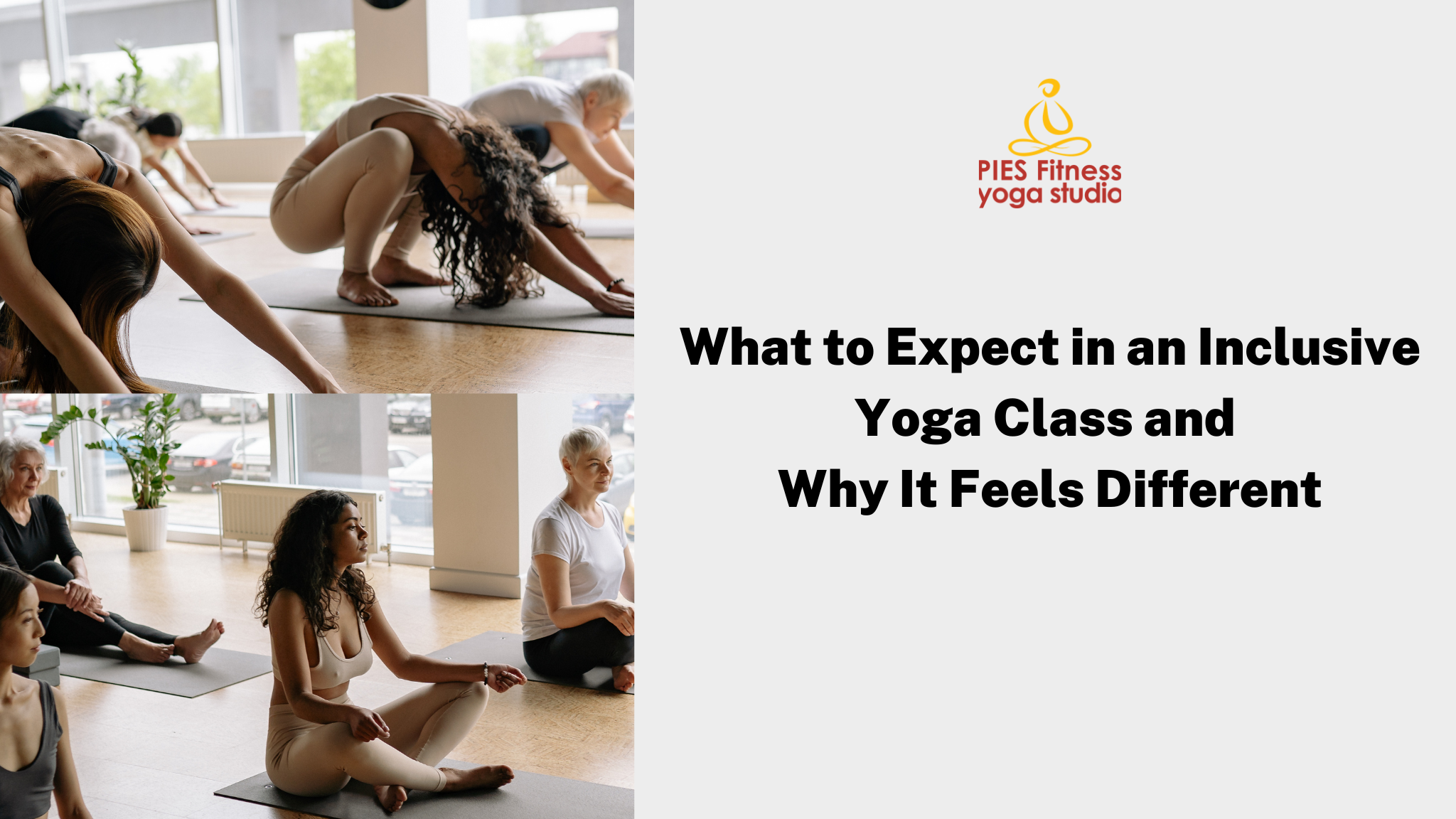
Walking into a yoga class for the first time can raise many questions. Will I keep up? Will I fit in? Learning what to expect in an inclusive yoga class can ease those concerns. Inclusive yoga is designed to meet you exactly where you are—whether you’re a complete beginner, returning after a break, or navigating physical limitations. The emphasis is on how they feel in your body instead of on how poses look.
What Is Inclusive Yoga?
What Makes a Yoga Class Truly Inclusive
An inclusive yoga class is built around the idea that yoga is for everybody and there are no assumptions about your flexibility, strength, age, or experience level. The instructor creates space for different needs by offering options, not one “right” way to do a pose.
Core Principles: Accessibility, Choice, and Support
Inclusive yoga prioritizes:
- Accessibility: Movements and sequences are adaptable
- Choice: You’re encouraged to listen to your body and choose what works
- Support: The environment is encouraging, not competitive
See how accessible yoga practices support people of all sizes and abilities.
Before Class: What to Expect When You Arrive
A Welcoming, Judgment-Free Environment
From the moment you walk in, the goal is to help you feel at ease. There’s no expectation to look or perform a certain way since many students are beginners or people easing back into movement.
Studio Accessibility and Comfort
Expect the space to include supportive tools like blocks, straps, or chairs which is part of making the practice work for different bodies.
Meeting Your Instructor and Sharing Your Needs
A good instructor will invite you to share anything relevant—injuries, concerns, or goals. This helps them guide you safely and offer the right modifications throughout class.
How Inclusive Yoga Is Taught During Class
Clear, Supportive Cueing for All Levels
In an inclusive yoga class, instructions are intentional and easy to follow, with an emphasis on clarity over complexity. The teacher breaks down movements step by step and often demonstrates or describes what you should feel in your body—not just how the pose should look.
You’ll hear layered cues, meaning beginners can follow a basic version while more experienced students can explore deeper variations. This approach allows everyone to participate fully without feeling left behind or overwhelmed.
Modifications and Options for Every Body
Every pose is presented with options to suit different needs, abilities, and comfort levels. This might include using props such as blocks or straps for support, adjusting the range of motion, or choosing an entirely different variation that achieves a similar benefit.
For example, a standing pose can be done seated, or a floor pose can be adapted for sensitive joints. The goal is to help you experience the movement’s intention in a way that works for you by exploring and choosing what feels stable and sustainable.
Moving at Your Own Pace Without Pressure
Inclusive yoga removes the expectation to keep up with a set rhythm or match others in the room because you can move in a way that aligns with your breath, your energy, and your comfort level on that particular day.
Taking a pause, skipping a pose, or resting in a neutral position is always acceptable—and often encouraged. This creates space for you to build awareness and confidence without feeling rushed or judged, helping you develop a more intuitive and respectful relationship with your body.
After Class: Community and Connection
A Supportive, Non-Competitive Atmosphere
Inclusive classes foster a sense of community where people can focus on their own experience, not judging others.
Encouraging Questions and Ongoing Communication
You can ask questions, give feedback, or check in with the instructor after class which helps you build confidence over time.
Common Concerns (And Why You Don’t Need to Worry)
“I’m Not Flexible Enough”
Flexibility is not a requirement—it’s something that develops gradually. Inclusive yoga meets your current range of motion without forcing it.
“I’m a Complete Beginner”
Classes are structured so beginners can follow comfortably. You’ll be guided step by step, with options to simplify movements.
“Will I Fit In?”
Inclusive yoga welcomes you as you are—you don’t have to “fit in.” The class actively supports diversity in bodies, abilities, and experience.
Why Inclusive Yoga Feels Different
Focus on How You Feel, Not How You Look
Instead of striving for perfect form, the focus is on comfort, awareness, and connection to your body. You’ll notice your breath, your energy, and how movements support or challenge you—rather than trying to match an external standard. This helps you build body awareness over time, which is far more valuable than achieving a specific pose shape.
Respect for All Bodies and Abilities
Inclusive classes don’t have an “ideal” body because every person’s experience matters, and instructors actively respect every variation. The class welcomes differences, and variation which creates a space where you can explore movement freely without feeling the need to “fix” or change your body.
Language That Empowers, Not Pressures
Teachers in inclusive classes are mindful of how they communicate. Instead of commanding language, you’ll often hear invitations and options. This permits you to make decisions based on your needs, helping you build confidence and autonomy in your practice.
Ready to Try Your First Inclusive Yoga Class?
PIES Fitness Yoga Studio is a body-positive space where you can focus on movement, wellness, and joy, without judgment.
Join a class and feel good about your progress, your pace, and your presence. If you’re unsure, reach out to PIES Fitness Yoga for help choosing the right option.