


Yoga for Everybody: Accessible Yoga for All Sizes and Abilities
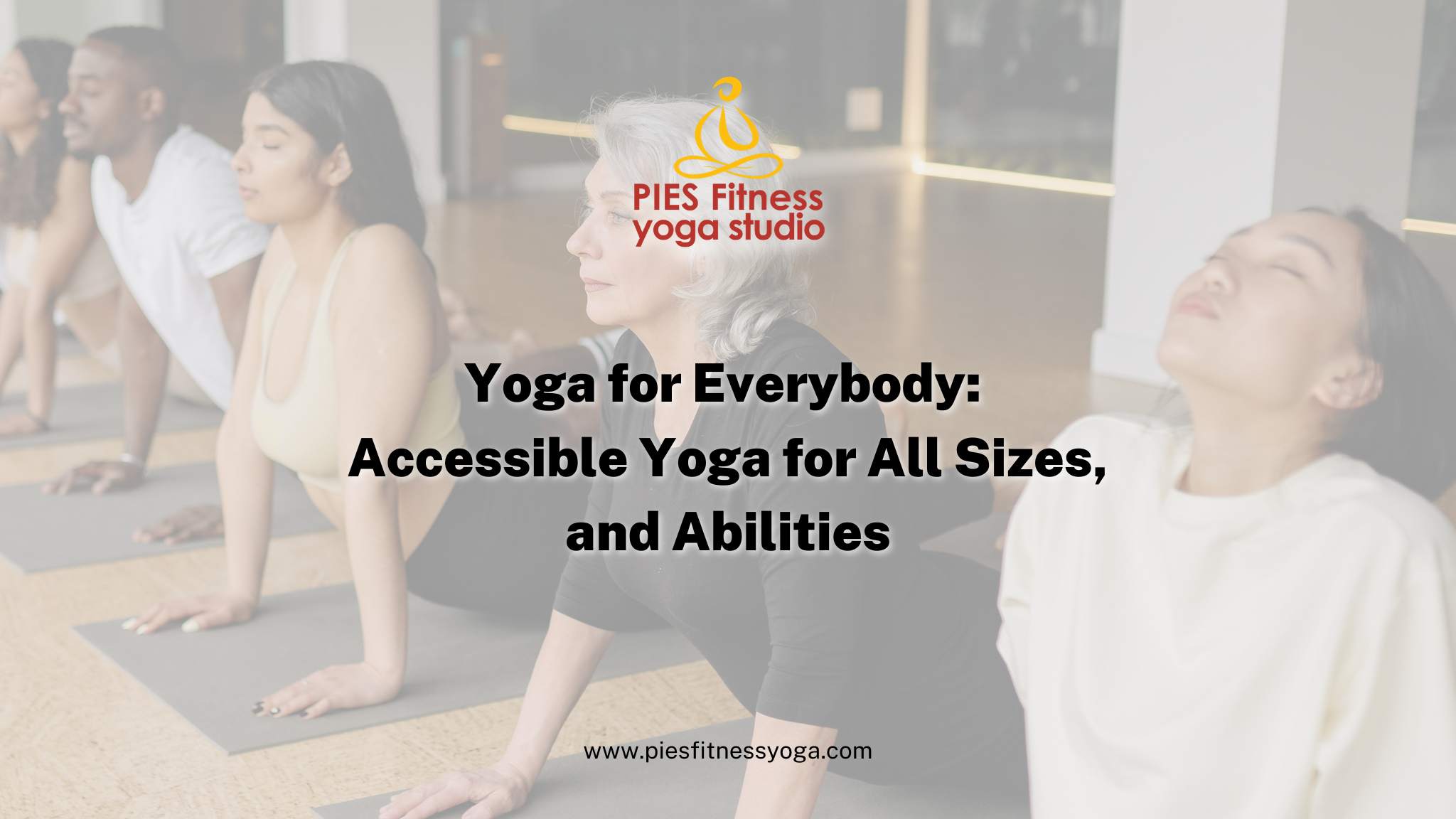
Yoga was never meant to be exclusive. Despite modern media often showcasing ultra-flexible bodies in advanced poses, yoga’s original purpose is accessibility, self-awareness, and balance—physical, mental, and emotional. Yoga for everybody means meeting yourself exactly where you are today, without pressure to look or move a certain way.
This guide reframes yoga as an inclusive, adaptable practice that supports all body types, experience levels, and abilities, while offering practical ways to make yoga work for you.
Why Inclusivity Matters in Yoga
At its core, yoga is adaptable. There is no “ideal” yoga body—only individual bodies with unique needs, strengths, and limitations. Inclusive yoga moves away from appearance-based expectations and focuses instead on how poses feel, function, and support well-being.
Yoga can improve:
- Flexibility and mobility
- Strength and balance
- Stress management and mental clarity
With the right guidance and modifications, anyone can benefit from yoga regardless of age, size, or physical condition.
Yoga Poses That Work for Everybody
Foundational Poses for Beginners
Beginner-friendly yoga focuses on stability, breath awareness, and gradual strength-building. Foundational poses allow the body to adapt safely over time.
Props such as blocks, straps, and blankets make poses more accessible and help maintain proper alignment. For example, a strap can reduce strain in seated stretches, while blocks bring the floor closer in standing poses. These supports allow you to experience the benefits of each pose without discomfort or injury.
Strength-Based Yoga Without Exclusion
More dynamic styles, such as power yoga, can still be inclusive when practiced mindfully. The key is prioritizing alignment and control over speed or intensity.
Modifications—such as lowering knees, shortening holds, or reducing transitions—allow strength-focused to support different fitness levels. When taught with intention, power yoga can be both challenging and accessible.
Building a Yoga Practice That Fits Your Needs
Choosing the Right Yoga Class
Finding the right class can shape your entire experience. Look for instructors and studios that emphasize:
- Inclusive language
- Pose modifications
- A variety of class styles
Classes such as beginner yoga, gentle, restorative, or chair yoga are excellent options for those seeking supportive entry points into the practice. Trying a few different classes can help you find the environment that feels most welcoming.
Breathwork and Meditation for All Bodies
Yoga is more than physical postures. Breathing exercises and meditation are accessible to everyone and offer powerful benefits, including reduced stress, improved focus, and emotional regulation.
Simple techniques like diaphragmatic breathing or guided meditation can be practiced seated, lying down, or even off the mat. These elements make yoga inclusive regardless of physical ability.
Using a Yoga Mat for Comfort and Support
A yoga mat creates a stable foundation for practice. Choosing the right mat depends on your needs:
- Thicker mats offer extra joint support
- Textured surfaces improve grip
- Eco-friendly materials enhance comfort and durability
Maintaining your mat by cleaning it regularly helps ensure a safe and hygienic practice.
Inclusive Teaching Practices for Yoga Instructors
Adapting Poses for Different Bodies
Effective teaching recognizes that no pose fits everybody the same way. Offering variations and prop-based options allows students to explore poses safely and confidently.
Encouraging students to modify or rest reinforces the idea that yoga is adaptable, not rigid.
Creating a Welcoming Yoga Environment
An inclusive space is one where all students feel seen and respected. Teachers can support this by:
- Using neutral, body-positive language
- Avoiding assumptions about ability or experience
- Celebrating progress beyond physical appearance
Inclusivity builds trust and helps students remain consistent in their practice.
Encouraging Internal Awareness Over Appearance
Yoga becomes empowering when the focus shifts from how poses look to how they feel. Teachers who emphasize breath, sensation, and mental presence help students develop self-acceptance and body awareness.
This approach encourages long-term engagement and reinforces that yoga is about connection—not comparison.
Practicing Yoga Safely and Sustainably
Safety is essential in any practice. To protect your body:
- Move within your comfort range
- Use props generously
- Rest when needed
If you have injuries or health conditions, consult a healthcare provider or experienced instructor before starting. Skipping or modifying poses is always an option—listening to your body is part of the practice.