


Yoga for Joint Health as We Age: Gentle Movement for Greater Mobility
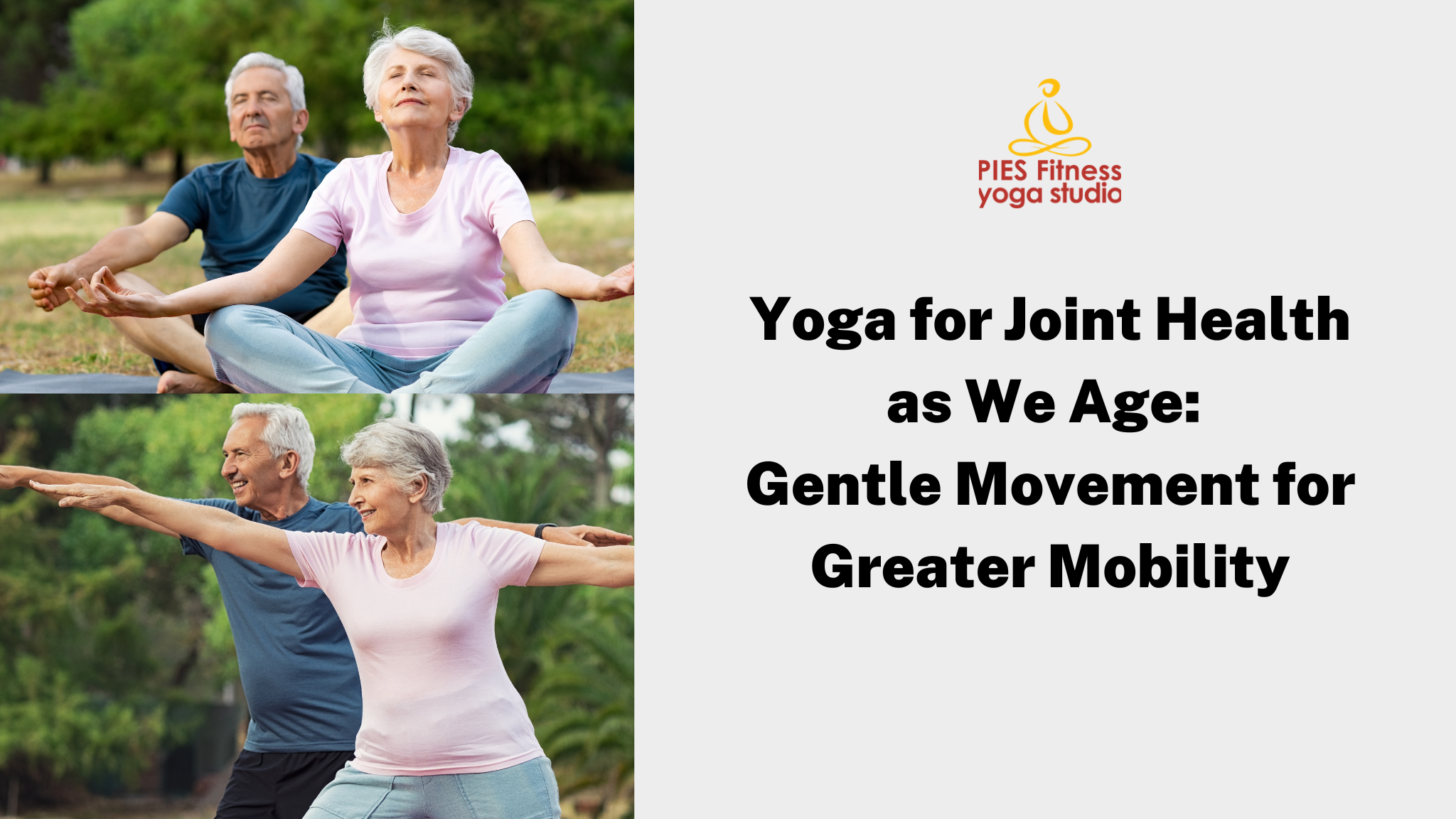
As we age, it is natural to notice changes in how the body moves. Everyday actions like climbing stairs, bending, or standing up may begin to feel slower or stiffer. While these changes are common, they do not have to lead to reduced independence. Yoga for joint health offers a gentle, adaptable way to maintain mobility, ease stiffness, and support long-term movement.
Unlike high-impact exercise, yoga combines controlled movement, stretching, balance, and strength work in a way that supports the joints to help older adults stay active, comfortable, and confident in their daily routines.
Why Joint Health Matters as We Get Older
Joints connect the bones and allow smooth movement throughout the body. Over time, natural wear and tear, along with reduced activity, can affect how they function. Cartilage may thin, surrounding muscles can weaken, and flexibility often declines, leading to stiffness or restricted movement.
Many adults also experience conditions such as osteoarthritis, which commonly affects the knees, hips, hands, and spine. Even without a diagnosis, long periods of sitting and reduced movement can contribute to discomfort and tightness.
Maintaining joint health is thus essential for independence for these reasons;
- Healthy joints support balance, stability, and ease of movement, making everyday tasks safer and more manageable.
- Regular movement helps keep joints lubricated, strengthens supporting muscles, and reduces stiffness over time.
How Yoga Supports Healthy Aging
Gentle movement through a joint’s natural range helps reduce stiffness and maintain flexibility, while strengthening the muscles that support the knees, hips, shoulders, and spine.
Stronger muscles reduce pressure on the joints during daily activities such as walking, bending, and lifting. Over time, this support can improve comfort and reduce strain.
Yoga also enhances balance and body awareness, both of which are key to maintaining stability with age. Improved balance helps reduce the risk of falls and builds confidence in movement.
In addition, yoga encourages mindful movement. Paying attention to posture, alignment, and breath helps individuals move more safely and efficiently while improving overall coordination.
Gentle Yoga Poses That Support Joint Health
Yoga can be adapted to suit different mobility levels, making it accessible even for beginners. The following gentle poses are commonly used to support joint mobility, strength, and flexibility.
Cat-Cow Stretch for Spinal Mobility
The Cat-Cow Stretch gently moves the spine through flexion and extension, helping reduce stiffness in the back and improve overall mobility. This movement is especially helpful for those who sit for long periods, as it restores motion to the lower back and spine.
Synchronizing movement with breath adds a calming rhythm that helps release tension. Over time, this simple flow improves posture and encourages smoother spinal movement in daily activities.
Chair Pose for Leg and Knee Strength
Chair Pose builds strength in the thighs, glutes, and core, which are essential for supporting the knees and hips. These muscle groups play a major role in everyday movements such as sitting, standing, and walking.
Even a shallow bend in the knees can provide benefits, making this pose highly adaptable. With regular practice, it improves lower-body strength and helps reduce strain on the knee joints during daily activities.
Bridge Pose for Hip and Lower Back Support
Bridge Pose strengthens the glutes, hamstrings, and core while gently opening the hips and chest. This is especially valuable for counteracting the effects of prolonged sitting, which often leads to tight hips and lower back discomfort.
Stronger hip muscles help distribute movement more evenly across the body, reducing pressure on the knees and spine. Over time, this can improve comfort during walking, standing, and transitions between positions.
Seated Forward Fold for Gentle Flexibility
Seated Forward Fold provides a mild stretch for the hamstrings, lower back, and calves. It encourages flexibility while allowing full control over depth and intensity, making it suitable for different ability levels.
Props such as straps or cushions can be used to reduce strain and improve comfort. This pose also encourages relaxation, making it useful for calming both the body and mind after movement practice.
Tips for Practicing Yoga Safely as You Age
Safe practice begins with moving within a comfortable range and avoiding unnecessary strain. Some key considerations include:
- Move slowly and with control between poses to maintain stability.
- Use props like blocks, straps, or chairs for added support.
- Focus on steady breathing to guide movement and reduce tension.
- Avoid any movement that causes sharp or lingering discomfort.
- Seek guidance from a qualified instructor when starting out or managing joint conditions.
Gentle yoga styles, chair yoga, or beginner classes are often the most accessible options for older adults.
Making Yoga Part of Your Healthy Aging Routine
Short, regular sessions are often more effective than occasional long ones when building a sustainable yoga practice.
Start with 10–15 minutes of movement several times a week to improve mobility over time. Pair yoga with other low-impact activities such as walking or swimming to further support joint health and overall fitness.
Progress should be measured by how movement feels in daily life—greater ease, improved balance, and reduced stiffness are all meaningful signs of progress.
Aging does not have to limit mobility or independence. Our beginner yoga and senior yoga classes are tailored to support you, no matter your age or fitness level. Join us this fall at PIES Fitness Yoga Studio, located at 1322 Prince Street, Alexandria, VA 22314. For more information, call 703-887-9574 or email piesyoga.info@gmail.com.