


Representation and Community in Yoga: Creating a More Inclusive Practice
Yoga is often presented as a personal journey, yet the environment where you practice can shape that experience just as much. Representation in yoga matters because people deserve to see themselves reflected in the teachers, students, and spaces they encounter. A welcoming yoga community can make the practice feel more accessible while creating opportunities for connection, encouragement, and shared growth.
Why Representation Matters in Yoga
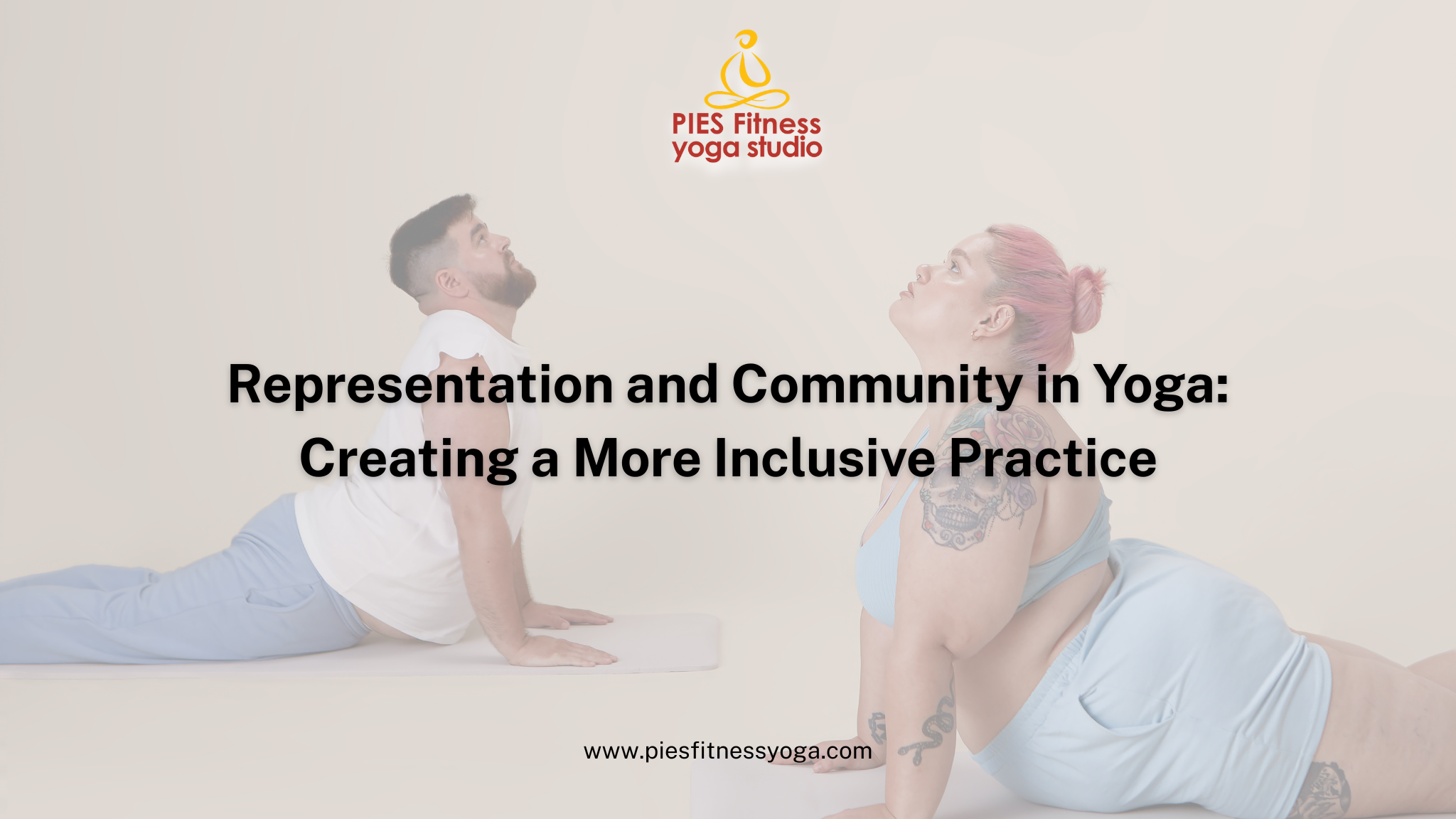
Representation influences how people perceive their place within yoga. When classes, marketing, and instructors reflect a variety of ages, body types, abilities, backgrounds, and experiences, yoga becomes easier to recognize as a practice for a broad community. This matters especially for people who may have previously felt that they did not fit the traditional image of a yogi.
Teachers also play an important role. An instructor who openly offers modifications, demonstrates different options, and acknowledges that bodies move differently can help students approach practice with greater confidence.
Breaking Down Perceptions of Who Yoga Is For
Images of highly flexible bodies performing advanced poses can sometimes make yoga appear inaccessible to beginners or people with different physical abilities. Yet yoga includes a wide range of practices, from gentle movement and restorative classes to meditation and breathwork.
A more representative yoga community can broaden this perception. It allows people to approach yoga based on their own goals and circumstances rather than feeling pressured to meet a particular physical standard.
Creating More Inclusive Yoga Spaces
Representation is an important starting point, but inclusion also depends on what happens once someone enters the room. Teachers and studios can create a more welcoming experience by considering how classes are structured, communicated, and presented.
Making Classes Welcoming for Different Needs
Inclusive classes recognizes that students arrive with different levels of experience, mobility, strength, and comfort. Offering choices throughout a class gives people the ability to participate in ways that suit their bodies on that particular day.
Useful approaches can include:
- Providing modifications for poses and transitions
- Offering props and explaining how they can be used
- Giving clear verbal instructions alongside demonstrations
- Allowing students to choose between different levels of intensity
- Creating space for questions without embarrassment
The Role of Language and Representation
The words instructors use can influence how comfortable students feel. Language that focuses on choice and personal experience makes room for different abilities and goals.
For example, inviting students to find a variation that feels appropriate for them can be more supportive than presenting one pose as the correct standard.
Representation also extends beyond the classroom. Studio websites, social media, class descriptions, and promotional images can communicate who a space welcomes.
Showing a genuine range of practitioners helps potential students form a more realistic picture of the community before they ever attend a class.
Building Connection Through Yoga Community
Once yoga spaces become more welcoming, they can offer something beyond physical practice: a sense of connection. People may come to class for movement, stress relief, flexibility, or mindfulness, but regular shared practice can also create relationships and a feeling of belonging.
Create a Sense of Belonging
Small interactions can have a meaningful effect on the experience of a yoga community. A teacher learning students’ names, a welcoming introduction for a new participant, or a class culture that respects different approaches can make people feel acknowledged rather than anonymous.
Community also grows when students support one another without turning practice into competition. Celebrate consistency, personal progress, or simply show up to create a healthier environment than comparing flexibility, strength, or performance.
Take the Practice Beyond the Mat
Community can become stronger when opportunities for connection extend beyond regular classes. Studios and teachers might organize workshops, meditation sessions, discussion groups, outdoor practices, or community events that encourage people to interact in different settings.
These activities can help students connect over shared interests while giving newer members a natural way to meet others. Over time, those relationships can make a yoga space feel less like somewhere people simply attend and more like a community they are part of.
Everyone Has a Place in Yoga
A diverse yoga community is built through representation, thoughtful teaching, and genuine opportunities for connection. Every class can look different where people participate without feeling that they must change who they are or how their bodies move to belong.
PIES Fitness Yoga Studio is a body-positive space where you can focus on movement, wellness, and joy, without judgment.
Join a class and feel good about your progress, your pace, and your presence. If you’re unsure, reach out to PIES Fitness Yoga for help choosing the right option.