


Starting Yoga Later in Life: Why It’s Never Too Late
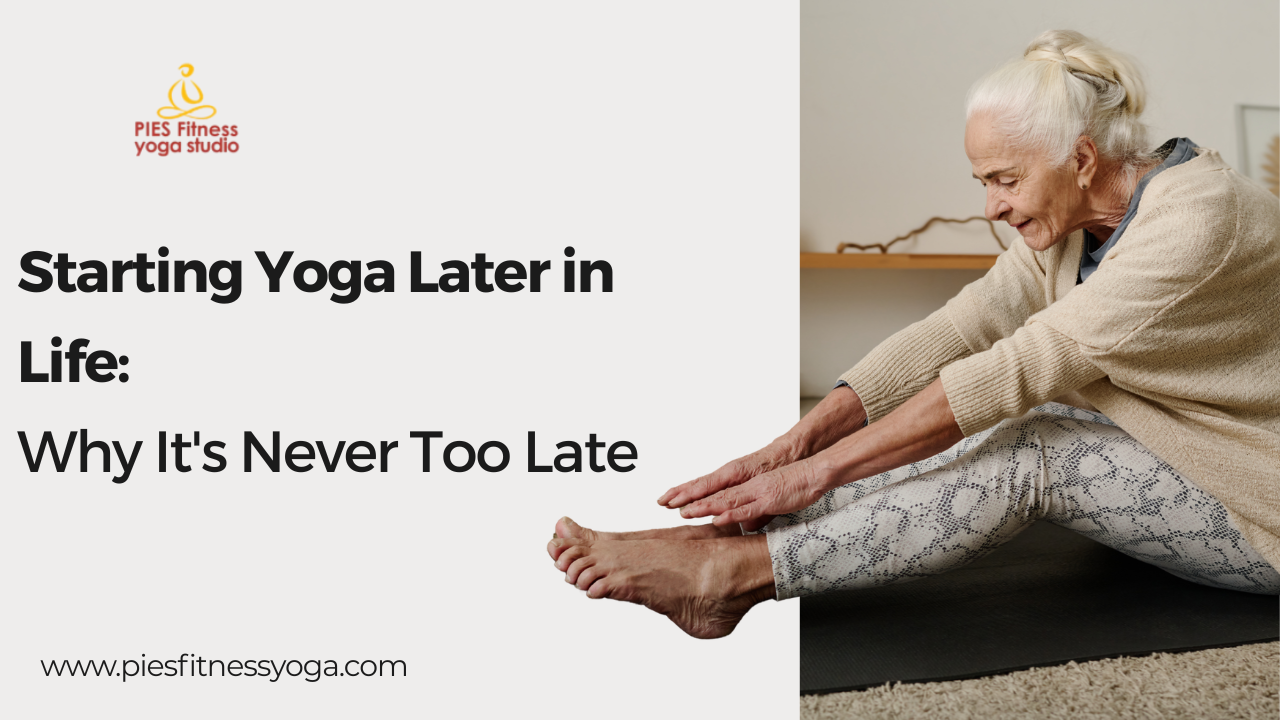
It’s a common assumption that yoga is only for the young, flexible, or already fit. In reality, starting yoga later in life can be one of the best decisions you make for your physical and mental well-being. Yoga meets you where you are and the beauty of it lies in its adaptability.
Poses can be modified to suit different abilities, and progress is measured by how you feel rather than how advanced a pose looks. With the right approach, yoga can become a sustainable practice that supports healthy aging for years to come.
Why Age Shouldn’t Stop You from Practicing Yoga
Yoga is designed to be accessible, making it an excellent choice for adults who want to improve their health without putting excessive strain on their bodies. It encourages you to work within your current abilities. As your confidence grows, so does your strength, balance, and flexibility.
Common Myths About Starting Yoga Later in Life
Many people delay trying yoga because they believe they need to be flexible before stepping into a class. In reality, flexibility develops through consistent practice.
Other common misconceptions include:
- “I’m too old to start.” Many people begin practicing yoga in their 50s, 60s, or even later and still experience meaningful improvements.
- “Yoga is too physically demanding.” Gentle styles such as Hatha, chair yoga, and restorative yoga are designed for beginners and those with limited mobility.
- “I’ll slow everyone else down.” Beginner classes are structured to accommodate different experience levels, and instructors often provide pose modifications.
Understanding these misconceptions can remove unnecessary barriers and make taking that first class feel much less intimidating.
How Yoga Adapts to Different Bodies and Fitness Levels
One of yoga’s greatest strengths is that instructors encourage modifications using props such as blocks, straps, bolsters, or chairs. This personalized approach makes yoga suitable for people with varying mobility levels, previous injuries, or age-related stiffness. As your body gradually adapts, movements often become smoother, helping you gain confidence without unnecessary pressure.
Benefits of Starting Yoga as You Get Older
The benefits extend beyond the physical body as it combines movement, breathing, and mindfulness.
Improving Strength, Balance, and Flexibility
Maintaining muscle strength and balance becomes increasingly important with age. Yoga strengthens stabilizing muscles that support joints, improving posture and making everyday movements—such as climbing stairs, bending down, or getting out of a chair—feel easier.
Regular practice may also help:
- Increase joint mobility.
- Improve coordination and balance.
- Reduce muscle stiffness after periods of inactivity.
- Support better posture and body awareness.
If joint comfort is one of your goals, yoga for joint health offers additional insights into how yoga can help protect and support healthy joints.
Supporting Mental Well-being and Healthy Aging
The mental benefits of yoga are just as valuable as the physical ones. Controlled breathing and mindful movement encourage relaxation, making yoga an effective way to manage everyday stress and quiet a busy mind.
Many practitioners also notice improved sleep quality, greater emotional resilience, and an increased sense of focus. Over time, these benefits contribute to a healthier lifestyle by making it easier to stay active, maintain positive habits, and respond calmly to life’s challenges.
You’ll come to appreciate it as an opportunity to reconnect with yourself and create moments of calm throughout the week.
How to Start Yoga Safely and Build a Lasting Habit
The key to enjoying yoga long term is building a routine that feels comfortable and realistic. Start slowly to allow your body to adjust while reducing the risk of soreness or injury.
Consistency matters far more than intensity, especially during the first few weeks.
Choosing the Right Beginner-Friendly Class or Style
Different yoga styles offer different experiences, so it’s worth exploring a few options before settling on one.
Beginners often find these styles approachable:
- Hatha Yoga: Slow-paced with a focus on learning foundational poses.
- Chair Yoga: Ideal for those with balance concerns or limited mobility.
- Restorative Yoga: Gentle, relaxing sessions that prioritize recovery and flexibility.
- Gentle Flow Yoga: Introduces movement between poses at a comfortable pace.
Speak with the instructor before class about any physical limitations or previous injuries. They can recommend appropriate modifications and help you practice safely from day one.
Tips for Practicing Safely and Staying Consistent
To build a yoga habit, even 15 to 20 minutes several times a week can produce noticeable improvements over time.
A few simple habits can help you stay consistent:
- Start with beginner-level classes rather than advanced sessions.
- Listen to your body’s signals instead of comparing yourself with others.
- Use props whenever they improve comfort or stability.
- Celebrate small milestones, such as improved balance or easier movement.
- Focus on regular practice rather than perfect poses.
Starting yoga later in life goes beyond achieving impressive poses to creating a routine that helps you move with greater ease, feel more confident, and support your overall well-being. Every session is an investment in your future health, proving that it’s never too late to begin.
Ready to Try Your First Inclusive Yoga Class?
PIES Fitness Yoga Studio is a body-positive space where you can focus on movement, wellness, and joy, without judgment.
Join a class and feel good about your progress, your pace, and your presence. If you’re unsure, reach out to PIES Fitness Yoga for help choosing the right option.